Figuring out who is at fault in a car accident sometimes is more complicated than it appears. Even when one driver clearly ran a red light or rear-ended another vehicle, the question of fault may remain open longer than expected. Police officers, insurance adjusters, and sometimes courts each play a role in this process, and they do not always reach the same conclusion.
In Illinois, fault is not simply assigned by whoever "caused" the crash. It is assessed through evidence, statements, and legal standards that weigh each driver's actions. When fault is disputed or shared between drivers, the outcome directly affects who pays for damages and how much compensation an injured person may recover.
Key Takeaways for Fault in a Car Accident
- Fault is determined through evidence like photos, witness statements, and vehicle damage patterns, not just one driver's version of events.
- Police reports influence fault decisions but do not legally bind insurance companies or courts.
- Illinois follows modified comparative negligence, meaning a driver who is 51% or more at fault cannot recover compensation.
What Does "Fault" Mean After a Car Accident?
The word "fault" has a specific legal meaning in car accident cases. It refers to which driver's negligence, or failure to use reasonable care, caused or contributed to the crash. Negligence might include speeding, distracted driving, failing to yield, or ignoring traffic signals.
How Negligence Connects to Fault
When one driver acts carelessly and that carelessness leads to a collision, that driver is typically considered at fault. However, fault is not always all-or-nothing. Illinois law recognizes that multiple drivers may share responsibility for the same crash.
For example, if one driver was speeding while another failed to signal a lane change, both actions may have contributed to the accident. In that situation, fault might be divided between them based on how much each driver's conduct contributed to the collision.
Who Decides Fault in a Car Accident?
One common misconception is that fault is decided immediately after a crash. In reality, multiple parties assess fault at different stages, and their conclusions do not always match.
The Role of Police Officers
When officers respond to a crash scene, they gather information and often complete an official crash report. This report may include a diagram of the accident, statements from drivers and witnesses, and sometimes the officer's opinion about what happened. In Southern Illinois, reports from agencies like the Illinois State Police or local departments in Marion, Carbondale, or Harrisburg provide important documentation.
However, police officers do not make legal determinations of fault. Their reports are valuable evidence, but they are not binding on insurance companies or courts.
How Insurance Companies Determine Fault
Insurance adjusters conduct their own investigations after receiving a claim. They review the police report, examine photos of vehicle damage, and take recorded statements from the drivers involved. Adjusters then assign fault percentages based on their company's internal guidelines and the evidence available.
This means an insurance company might reach a different fault conclusion than the police report suggests. When two insurance companies are involved, each may assign fault differently, which often leads to disputes.
When Courts Get Involved
If a fault dispute cannot be resolved through insurance negotiations, the question may eventually go before a judge or jury. Courts examine all available evidence and apply Illinois negligence law to determine each driver's share of responsibility.
Evidence That Determines Fault in a Car Accident
Fault is assessed through evidence, not assumptions. The strength of a claim often depends on what documentation exists to support one driver's account over another's.
The following types of evidence commonly influence fault determinations:
- Photos from the scene: Images of vehicle damage, skid marks, road conditions, and traffic signals help establish what happened.
- Witness statements: Neutral third-party accounts may carry significant weight, especially when drivers disagree.
- Police crash reports: These provide an official record of the accident, including diagrams and officer observations.
- Vehicle damage patterns: The location and severity of damage often indicate the angle and force of impact.
- Traffic camera or dashcam footage: Video evidence, when available, may clearly show how the crash occurred.
Collecting this evidence early matters because memories fade, witnesses become harder to locate, and physical evidence may be repaired or discarded. Strong documentation strengthens a claim and makes it harder for the other driver or their insurer to unfairly shift blame.
How Shared Fault Works in Illinois Car Accidents
Illinois follows a legal rule called modified comparative negligence. Under 735 ILCS 5/2-1116, an injured driver may still recover compensation even if they were partially at fault, as long as their share of fault does not reach 51% or more.
The 51% Bar Rule Explained
If a driver is found 50% or less at fault, they may pursue compensation from the other driver. However, their recovery is reduced by their own percentage of fault. A driver found 30% responsible for a crash would have their compensation reduced by 30%.
If a driver is found 51% or more at fault, they are barred from recovering any compensation from the other party. This rule makes fault percentages extremely important in Illinois car accident cases.
Why Fault Percentages Matter for Compensation
When insurers or courts assign shared fault, the numbers directly affect the outcome. Even a small increase in one driver's fault percentage may significantly reduce their compensation. This is one reason why fault disputes often become contentious, and why evidence that supports your version of events is so valuable.
Why Fault Disputes Happen Even in Clear Crashes
Even accidents that seem obvious at first may become disputed once insurance companies get involved. Several factors contribute to these disagreements.
Conflicting Driver Statements
Each driver naturally remembers the crash from their own perspective. One driver may genuinely believe they had the right of way, while the other recalls the situation differently. Without strong evidence, these conflicting accounts create uncertainty about what actually happened.
How Insurance Adjusters Evaluate Claims
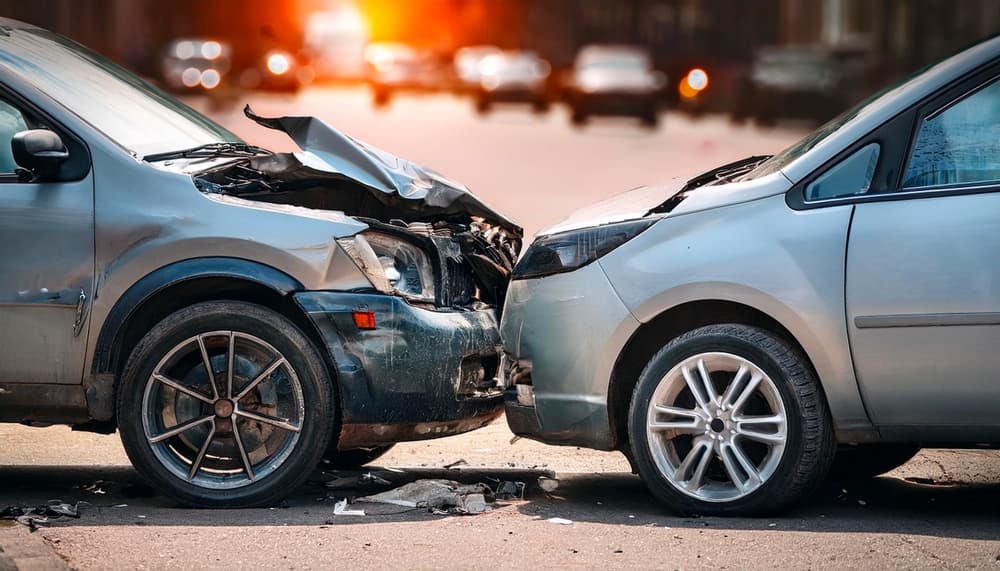
Insurance adjusters evaluate claims based on their company's policies and interpretation of the evidence, which may result in lower fault assessments for their insured. An adjuster might assign you a higher fault percentage than the evidence supports, which reduces what their company owes. Having documentation that supports your account helps counter these assessments.
When Does “Fault” Become a Problem?
Fault is not always disputed right away. Many drivers first realize there is a problem when certain situations arise. Common scenarios that raise fault concerns include:
- The insurance company delays your claim or asks for additional statements.
- You receive a letter assigning you partial or full fault.
- The other driver's story changes from what they said at the scene.
- Your claim is denied based on the insurer's fault determination.
- Medical bills are piling up while fault remains unresolved.
When any of these situations occur, speaking with an attorney may help clarify your options and protect your interests.
FAQs for Determining Fault in a Car Accident
What Happens If Both Insurance Companies Blame Different Drivers?
When insurers disagree, they often resolve the issue through inter-company arbitration or litigation, depending on the circumstances. Each company advocates for its insured, so conflicting determinations are not unusual. An attorney may help you navigate these disagreements and pursue fair compensation on your behalf.
Does Admitting Fault at the Scene Hurt My Claim?
Statements made at the scene may be used as evidence, but they are not always conclusive. Many drivers apologize or accept blame out of shock or politeness, even when they were not at fault. Other evidence may contradict an initial admission, and context matters in how statements are interpreted.
How Does Vehicle Damage Help Determine Fault?
Damage patterns reveal important information about impact angles, speed, and points of contact. Rear-end damage often suggests the trailing driver struck the lead vehicle, though other factors may still affect fault. Accident reconstruction professionals sometimes analyze damage to determine how a crash occurred.
Your Next Step After a Southern Illinois Car Accident

Fault questions rarely resolve themselves. When insurance adjusters push back, assign blame unfairly, or delay your claim, having someone in your corner makes a difference. Our team at Dihle Law Firm helps injured drivers across Marion, Carbondale, Harrisburg, and communities throughout Southern Illinois fight for fair compensation.
We offer free consultations, and attorney's fees are typically paid from a recovery rather than upfront. If fault is in dispute and you are unsure where you stand, contact Dihle Law Firm to talk through your situation.