Being involved in a car accident can be overwhelming and disorienting. In the moments following a collision, your adrenaline may be high, and it can be challenging to think clearly.
However, your actions immediately after an accident can significantly affect your safety, insurance claim, and potential legal proceedings. Understanding the proper steps can help protect you physically and financially while ensuring you meet all legal requirements.
Key Takeaways After a Car Accident
- Prioritize safety by moving to a safe location and checking for injuries.
- Document everything thoroughly with photos, witness information, and detailed notes.
- Contact law enforcement even for minor accidents to create an official record.
- Notify your insurance company promptly, but be cautious about admitting fault.
- Seek medical attention to ensure that any symptoms or conditions that may emerge later are treated. You may feel okay, but immediate care is essential.
- Keep detailed records of all accident-related expenses and communications.
- Consult with an experienced car accident attorney to protect your rights and ensure fair compensation.
Immediate Safety Measures
After a car accident, prioritize everyone's safety. If the accident is minor and your vehicle is running, move it aside and turn on your hazard lights.
Check yourself and your passengers for injuries. Even if everyone appears unharmed, remember that adrenaline can mask pain, and some injuries may not be immediately apparent. If anyone suffers an injury, call 911 immediately and request emergency medical services. Do not attempt to move anyone who appears to be seriously injured unless they are in immediate danger.
If the vehicles cannot be moved safely, leave them where they are and exit the car if it's safe. Avoid traffic and use flares, reflective triangles, or your phone's flashlight to warn approaching drivers.
Calling Law Enforcement
Even if the accident seems minor, it's generally advisable to call the police. Many states require law enforcement to be notified of any accident involving injuries, significant property damage, or disputes about fault. A police report provides an official incident record, necessary for insurance claims and potential legal proceedings.
When officers arrive, provide them with accurate information about what happened. Stick to the facts and avoid speculating about causes or admitting fault. The police will create an accident report that includes their scene assessment, statements from all parties involved, and any citations issued.
Documenting the Scene
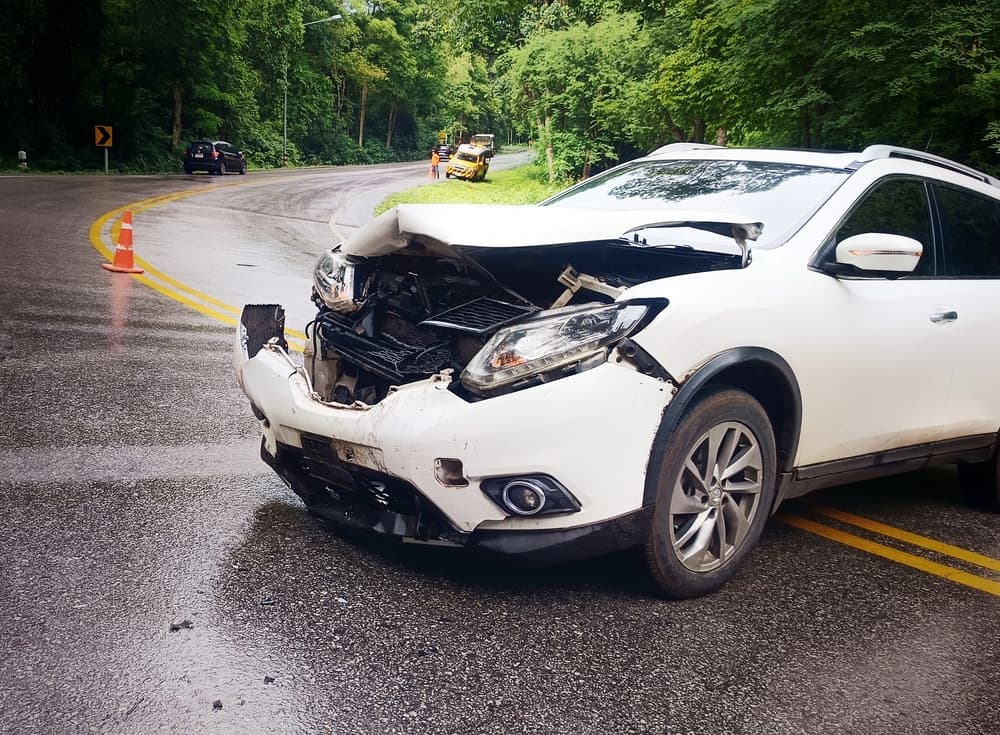
Thorough documentation is essential for protecting your interests. Use your smartphone to take extensive photos of the accident scene, including damage to all vehicles involved, the position of the cars, street signs, traffic signals, road conditions, and any visible injuries. Take photos from multiple angles and distances to provide a complete scene picture.
Exchange information with all other drivers involved, including full names, contact numbers, driver's license numbers, insurance company names and policy numbers, and vehicle information such as make, model, year, and license plate numbers. If passengers are in any of the vehicles, get their contact information.
Look for witnesses who saw the accident and ask for their contact information. Independent witness testimony can be invaluable if there are disputes about what happened. Write down their account of the accident while it's fresh in their memory.
Create your own written account of the accident as soon as possible after the incident. Include details such as the time, date, weather conditions, road conditions, traffic patterns, and a step-by-step description of what occurred. This contemporaneous account can be significant evidence later.
Dealing with Insurance Companies
Contact your insurance company, ideally within 24 hours. Most insurance policies require prompt notification of accidents. Provide them with all the information you've gathered, but be factual and avoid speculating about fault or accepting blame.
Be prepared for the insurance company to ask detailed questions about the accident. Answer honestly, but stick to the facts you observed. If you're unsure about something, it's better to say you don't know than to guess.
If the other driver's insurance company contacts you, remember that their goal is to minimize their payout. You're not required to provide a recorded statement to the other party's insurance company; it may be advisable to consult with an attorney before doing so.
Keep detailed records of all communications with insurance companies, including the names of representatives you speak with, dates and times of conversations, and summaries of what was discussed.
Medical Attention and Follow-Up
Injuries, like whiplash, may appear later.. A medical exam documents your condition and helps identify issues early. That’s why it’s essential to seek medical care ASAP.
Follow all medical advice and attend all recommended appointments. Keep copies of all medical records, bills, and receipts for your treatment. This documentation will be essential for filing an insurance claim or pursuing legal action.
If you experience any new symptoms in the days or weeks following the accident, see a doctor immediately and inform them about the car accident. Document any time you miss from work due to injuries or medical appointments.
Understanding Your Rights
After a car accident, you have certain rights that you should be aware of. You have the right to choose your repair shop, the right to receive fair compensation for your damages, and the right to legal representation. You also have the right to refuse to sign any documents or accept settlement offers without fully understanding their implications.
It is best to consult a personal injury attorney if you're dealing with significant injuries, substantial property damage, or disputes about fault. Many attorneys offer free consultations and work on a contingency basis. You’re not obligated to pay anything to your attorney unless they win your case.
Remember that insurance companies, even your own, focus on minimizing payouts. An experienced car accident attorney can help ensure you receive fair compensation for all your damages, including medical expenses, lost income, property damage, and pain and suffering.
Frequently Asked Questions
What if the other driver doesn't have insurance?
Suppose an uninsured driver hits you. In that case, your uninsured motorist coverage may cover your damages, and you may need to pursue legal action against the at-fault driver personally to recover compensation.
Should I accept the first offer to settle from the insurance company?
You should not accept any settlement offer until you fully understand the extent of your injuries and financial losses. Initial offers from insurance companies frequently fail to account for future medical care, lost earning capacity, and non-economic damages.
A lawyer evaluates the offer and advises you on whether it represents fair compensation for your claim.
How long do I have to file a lawsuit after a car accident?
Every state sets a deadline, called a statute of limitations, for filing a personal injury lawsuit. These deadlines differ significantly from state to state and depend on the specific circumstances of the accident.
Because missing this deadline bars you from recovering compensation, you should speak with an attorney promptly to protect your legal rights. You can find state-specific laws and statutes on your state legislature's official website.
Can I still file a claim if I didn't call the police at the scene?
While having a police report is helpful, you can still file an insurance claim and pursue legal action without one, which may make the process more challenging.
What should I avoid saying at the accident scene?
Avoid apologizing or saying anything that someone could interpret as an admission of fault, like "I'm so sorry" or "I didn't see you." Stick to the facts when speaking with the other driver and the police.
Do not discuss your insurance policy limits with the other driver. Do not post any information about the accident on social media, as insurance companies may use your posts against you.
What if the other driver asks me not to call the police or insurance?
You should always insist on calling the police to create an official report, especially if anyone has injuries or the property damage appears significant.
A driver who asks to handle things "off the record" may be uninsured, have a suspended license, or be trying to avoid accountability. Politely decline and contact law enforcement and your insurance company to protect your interests.
How do I track my accident-related expenses?
Create a dedicated folder or digital file for all accident-related documents. Keep copies of everything, including the police report, medical bills, receipts for prescriptions, and repair estimates.
Log any miles you drive to and from medical appointments. If your injuries cause you to miss work, keep detailed records of the dates you were absent and obtain a letter from your employer documenting your lost wages.

Contact a Car Accident Lawyer Now
A car accident lawyer can pursue the compensation you need for recovery. Consult a car accident lawyer to see the best results. Contact an attorney now.