Insurance company bias against motorcyclists may not appear in written policies but in the assumptions that shape how claims are evaluated. Riders who file injury claims after crashes sometimes encounter skepticism about their injuries, their riding choices, and their share of fault. These patterns may make motorcycle accident claims feel harder than claims involving two cars, even when the facts clearly support the rider.
Southern Illinois has a strong motorcycle culture, from community rides and the annual Blessing of the Bikes to shops like Black Diamond Harley-Davidson that serve riders across the region. Yet when a crash happens on Route 13 near Carbondale or along I-57 through Williamson County, riders may find themselves defending their character as much as their claim. The bias is rarely stated outright, but it may influence how adjusters interpret evidence and assign fault.
Key Takeaways for Insurance Company Bias Against Motorcyclists
- Bias against motorcyclists typically shows up through assumptions about rider behavior rather than formal insurance policies.
- Illinois follows modified comparative negligence, meaning a rider found 51% or more at fault cannot recover compensation.
- Documentation matters more for motorcycle claims because riders may need to counter assumptions that favor the other driver's narrative.
Why Motorcycle Claims May Face Different Treatment
Motorcycle accident claims sometimes move through a different lens than car-on-car collisions. The reasons are cultural as much as procedural, and riders benefit from understanding how these patterns may affect their claims.
Stereotypes That May Follow Riders Into Claims

Insurance adjusters are human, and cultural stereotypes about motorcyclists sometimes influence how they interpret evidence. Riders may be viewed as risk-takers, speed-seekers, or less cautious than other drivers. These assumptions are not always conscious, but they may affect which details adjusters emphasize and which they overlook.
A rider who was traveling at the speed limit may still face questions about whether they were "driving aggressively." A driver who failed to check a blind spot might be described as simply not seeing the motorcycle. The language in these narratives matters because it shapes fault determinations.
The "Came Out of Nowhere" Problem
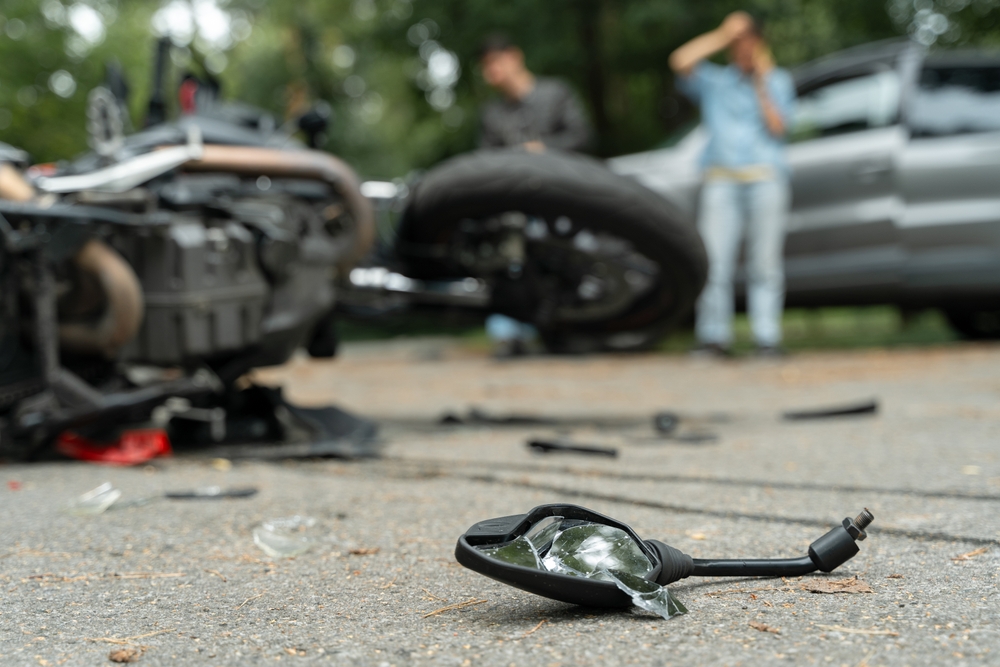
One of the most common phrases in motorcycle accident reports is some version of "the motorcycle came out of nowhere." This language sometimes appears in driver statements and may make its way into police reports. The phrase implies the rider was difficult to see or moving unpredictably, even when the rider was visible and following traffic laws.
This framing shifts attention away from driver inattention, which NHTSA identifies as a common contributing factor in motorcycle crashes. Adjusters who accept this narrative may assign more fault to the rider than the evidence supports.
How Bias May Affect Fault Determinations
Fault in a motorcycle crash is supposed to be determined by evidence, including police reports, witness statements, photos, and damage patterns. In practice, cultural assumptions sometimes influence how that evidence is interpreted.
When Evidence Gets Filtered Through Assumptions
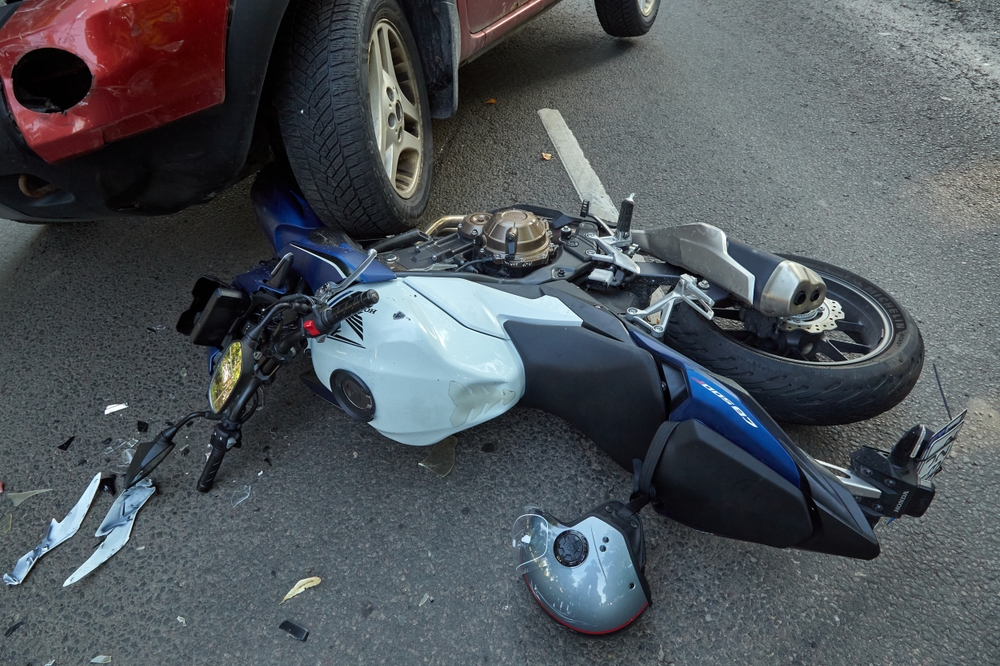
A damaged motorcycle and a damaged car tell a story, but the story depends on who reads it. Adjusters who are unfamiliar with motorcycle dynamics might misinterpret damage patterns or assume the rider was traveling faster than they actually were. The lighter weight and smaller profile of motorcycles mean damage to the bike is often severe even at lower speeds.
Similarly, a rider's decision to wear or not wear certain gear may be used to question their judgment, even when gear choices have no connection to how the crash occurred. These interpretive gaps create opportunities for fault to be assigned unfairly.
What is Comparative Fault and How Does It Impact My Case?
Illinois law allows injured parties to recover compensation even if they share some fault, as long as their share stays below 51%. For motorcycle riders, this rule makes the fault percentage assigned by insurers critically important.
If an adjuster attributes 30% fault to a rider based on assumptions rather than evidence, that percentage directly reduces compensation. If assumptions push the number to 51% or higher, the rider recovers nothing. Challenging these assessments may require strong documentation that counters the assumptions built into the initial evaluation.
Why Motorcycle Injuries May Face Greater Scrutiny
Injuries from motorcycle crashes are often more severe than those from car accidents. Riders lack the protective structure that surrounds vehicle occupants, and this reality shows up in medical records. Yet these same injuries sometimes draw more skepticism from insurance adjusters.
Severity and Suspicion
When medical bills are high and treatment is extensive, insurers may question whether all the treatment was necessary. Adjusters sometimes suggest that pre-existing conditions contributed to the injuries or that riders exaggerated their symptoms. This scrutiny is not unique to motorcycle claims, but it may be more intense in some cases.
The following types of evidence help counter injury-related skepticism:
- Consistent medical records: Treatment that follows a logical progression from the crash supports the connection between the accident and the injuries.
- Prompt medical attention: Seeking care shortly after the crash establishes that injuries were serious enough to require immediate evaluation.
- Documentation of limitations: Records that show how injuries affect daily activities and work help establish the real impact on the rider's life.
- Imaging and diagnostic tests: MRIs, X-rays, and other objective tests provide evidence that supplements subjective reports of pain.
Strong medical documentation makes it harder for adjusters to dismiss or minimize injuries. Riders who keep thorough records strengthen their claims against skeptical evaluations.
How Do I Strengthen My Motorcycle Injury Claim?
Because motorcycle claims may face additional scrutiny, the evidence supporting a claim needs to be especially strong. Riders who document thoroughly put themselves in a better position to counter assumptions.
What to Gather After a Crash
The following types of documentation help build a solid foundation for a motorcycle accident claim:
- Photos of the scene: Images of road conditions, vehicle positions, damage to both vehicles, and any visible injuries capture details that may fade from memory.
- Witness contact information: Neutral witnesses who saw the crash provide accounts that may contradict the other driver's version of events.
- Helmet and gear condition: Photos of damaged safety gear help document impact severity and counter suggestions that the rider was reckless.
- Medical records and bills: Complete records from emergency care through ongoing treatment establish the connection between the crash and the injuries.
- Repair estimates or total loss documentation: The extent of damage to the motorcycle supports claims about impact force and crash severity.
Collecting this evidence early matters because details become harder to verify as time passes. Thorough documentation helps counter the assumption-based narratives that may disadvantage riders.
How an Attorney May Help Counter Bias
An attorney who is familiar with motorcycle claims understands the patterns of bias that riders sometimes encounter. Legal representation may help level the playing field when adjusters apply assumptions that unfairly increase a rider's assigned fault or minimize their injuries.
Challenging Fault Assessments
When fault determinations rely on stereotypes rather than evidence, an attorney may gather additional documentation, identify inconsistencies in the adjuster's reasoning, and advocate for a fairer evaluation. This process often involves presenting evidence in a way that directly addresses the assumptions built into the initial assessment.
Pursuing Fair Compensation
Riders who pursue compensation after a crash need someone who is willing to push back against unfair evaluations. An attorney may negotiate with adjusters, dispute inflated fault percentages, and advocate for fair compensation based on the actual evidence rather than cultural assumptions about motorcyclists.
FAQs for Motorcycle Insurance Claim Bias
Does Helmet Use Affect How Insurers View My Claim?
Illinois does not require helmets for adult riders, but some adjusters may still treat helmet non-use as evidence of poor judgment. Helmet use or non-use does not determine fault, but insurers may argue it affects the extent of injuries or damages.
Are Lane Splitting and Filtering Legal in Illinois?
Illinois does not currently permit lane splitting or filtering under the Illinois Vehicle Code. If an insurer claims you were lane splitting at the time of a crash, this allegation may affect fault determinations. Evidence that disproves the claim becomes important.
Do Motorcycle Crashes Take Longer to Settle?
Timelines vary, but motorcycle claims sometimes take longer due to the additional scrutiny injuries receive and disputes over fault. Complex injuries that require extended treatment may also delay resolution until medical outcomes become clearer.
Riders Have Rights Too

Motorcycle riders are part of the Southern Illinois community, not outsiders taking unnecessary risks. When a crash happens and an insurance company treats you like a stereotype rather than an individual, having someone in your corner makes a difference. Our team at Dihle Law Firm helps injured riders across Marion, Carbondale, and the surrounding region pursue fair compensation.
We offer free consultations, and attorney's fees are typically paid from a recovery rather than upfront. Case costs are usually addressed as part of the fee agreement. If your motorcycle claim feels stalled or unfair, contact Dihle Law Firm to talk through your options.